
Growth Without Breakdown: The Human Cost of Scaling and How Owners Can Protect Themselves and Their Businesses
Most small businesses don’t fail because the owner runs out of ideas, ambition, or opportunity. They quietly stall because the owner runs out of capacity.
By the time many businesses reach a growth inflection point, the owner is carrying far more than the business was ever designed to support. They’re still deeply involved in delivery. They’re managing people. They’re worrying about cash. They’re holding client relationships together. And they’re doing it all while trying to “scale.”
This last article in our series explores the often-overlooked reality of scaling for business owners: growth intensifies strain before it delivers relief. And unless owners intentionally redesign how they lead, work, and recover, growth can become something that slowly breaks them and eventually the business.
The Economics of Scaling: What Holds Service Businesses Back from Their Next Level
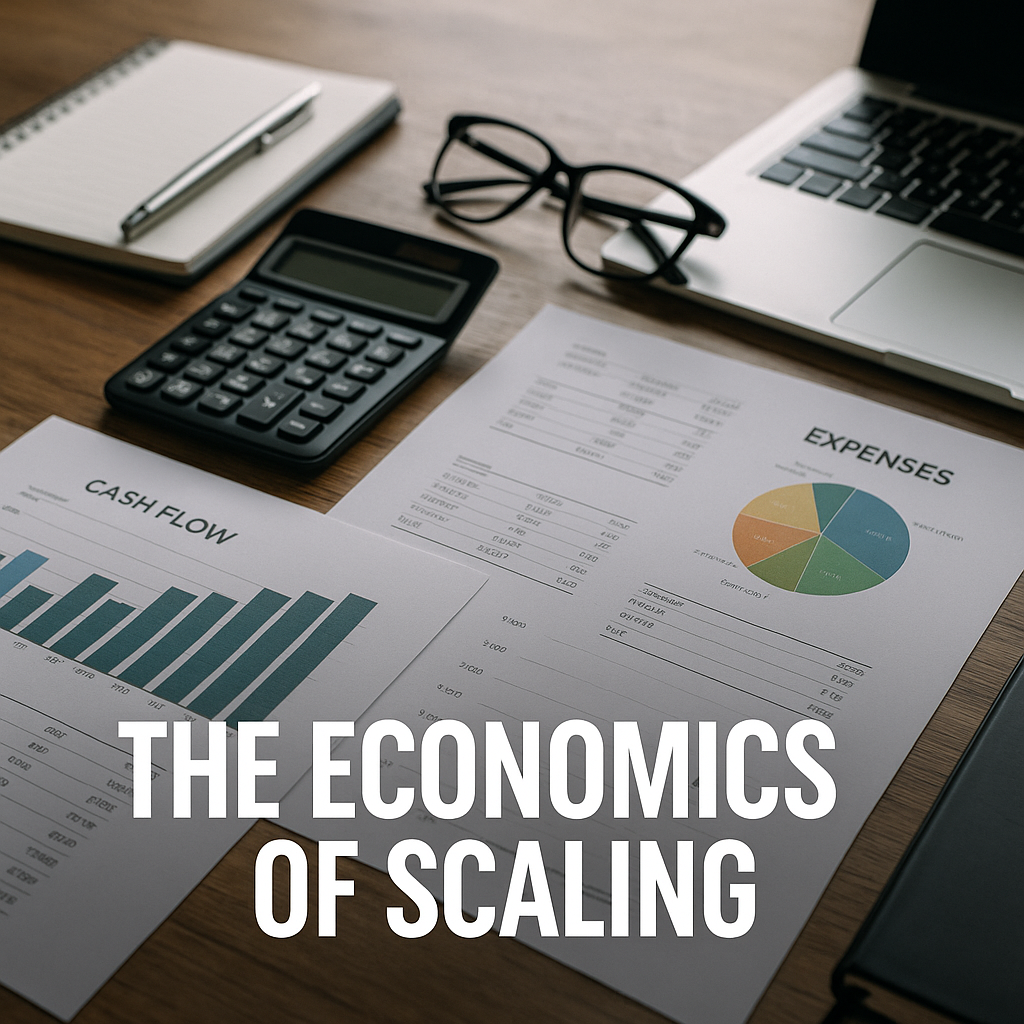
Service businesses don’t necessarily stall because of a lack of opportunity. Often, they stall because the economics of growth feel unpredictable and overwhelmingly personal. Owners see the possibilities in front of them with bigger clients, expanding demand, and higher-value work, but the financial steps needed to seize those opportunities can feel too risky. Hiring ahead of revenue, raising price to match value, investing in technology, or expanding capacity require money, time, and confidence. Yet a lot of small service businesses operate with thin margins and inconsistent cash flow, making those investments feel like walking a tightrope.